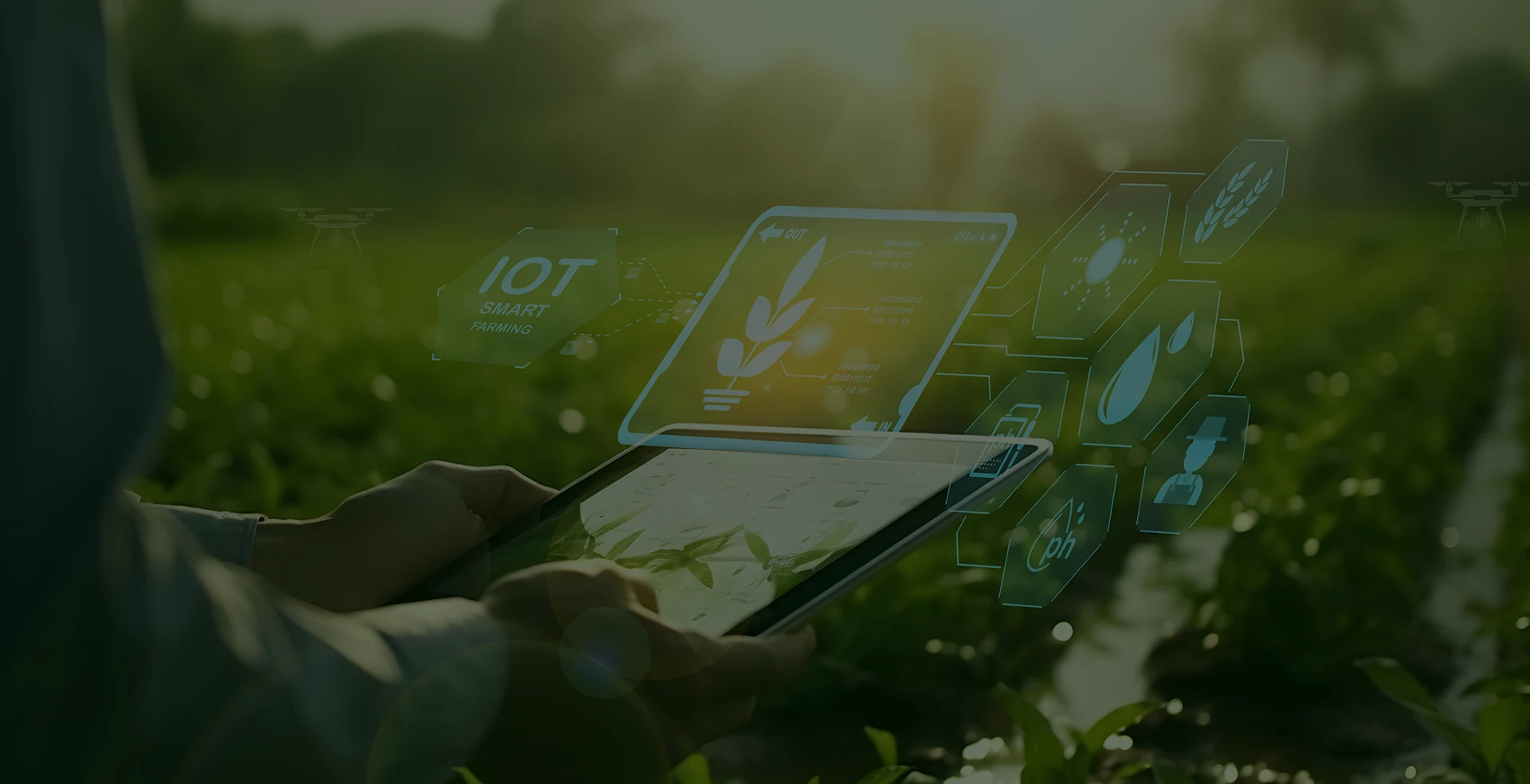
New frontiers in industry and agriculture
The evolution of production methods reflects a fundamental shift in agricultural and industrial practices, bringing together traditional know-how, mechanization, and scientific innovation to improve productive performance.
The key links in industrial production
An industrial production chain connects several interdependent stages: raw material procurement, industrial processing, assembly, quality control, packaging, and distribution. Coordinating these operations helps manufacturers maintain consistent product quality, streamline production workflows, and reduce operational delays.
Emerging technologies transforming production lines

The digital transformation of production lines brings artificial intelligence, the Internet of Things (IoT), augmented reality, and 3D printing into industrial operations. These technologies support connected manufacturing systems and more adaptable production processes.
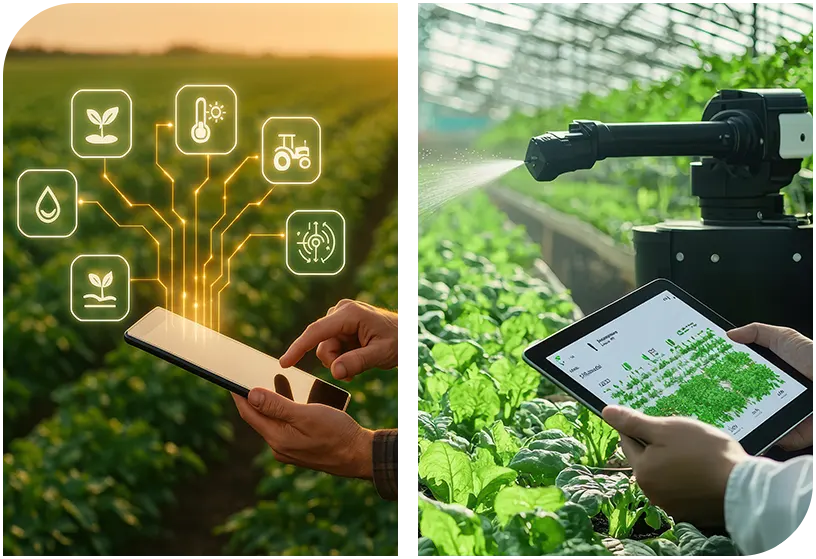
These tools support real-time data analysis, equipment failure prediction, immersive operator training, and on-demand production, helping manufacturers respond more effectively to changing operational requirements.


Molding
Molding involves pouring or introducing material into a shaped cavity, where it cools or hardens to form a component. This manufacturing process is used to produce plastic components, metal parts, and automotive parts.


Machining
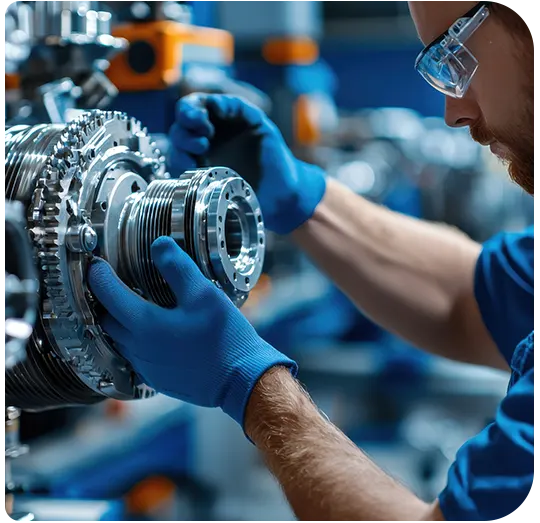
Machining removes material using machine tools to produce components with precise dimensions and shapes. It plays an important role in mechanical engineering and aerospace manufacturing.


Automated assembly
Automated assembly joins components through fastening, welding, or adhesive bonding. Industrial robots can perform these operations with consistent speed and precision.
Preventive and predictive maintenance of industrial machinery
To improve machine reliability and limit unplanned downtime, manufacturers combine preventive and predictive maintenance. Regular equipment condition monitoring, performance data analysis, and scheduled maintenance interventions help identify developing faults before they cause major breakdowns.

Biotechnology: major sectors and innovations
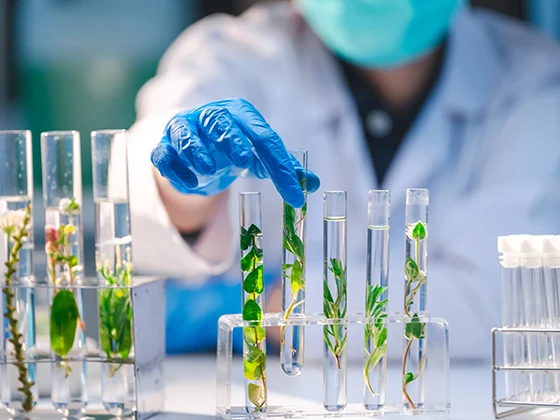
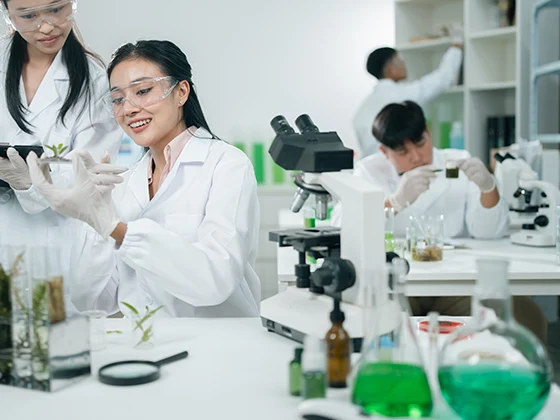
Biotechnology applies biological systems and processes across medicine, agriculture, and industry. Its applications range from medical treatments and agricultural crop improvement to biological methods for industrial production.

Key agricultural practices for fertile and productive soil
Maintaining soil fertility is essential for productive and sustainable farming. Agricultural practices such as crop rotation, applying natural compost, and agroforestry help maintain soil nutrients, improve soil structure, and support biodiversity over successive growing seasons.
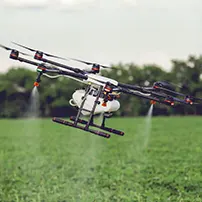
Precision agriculture
Precision agriculture uses GPS guidance, field sensors, and agricultural drones to improve irrigation management, targeted fertilization, and crop monitoring.
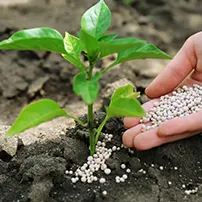
Crop rotation
Alternating crop species on the same plot helps maintain soil fertility, disrupt crop disease cycles, and support more consistent agricultural yields.
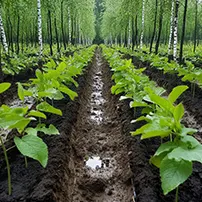
Agroforestry
Integrating trees with agricultural crops can strengthen on-farm biodiversity, protect soil from degradation, and support productive land management.
Food processing technologies and agri-food innovation
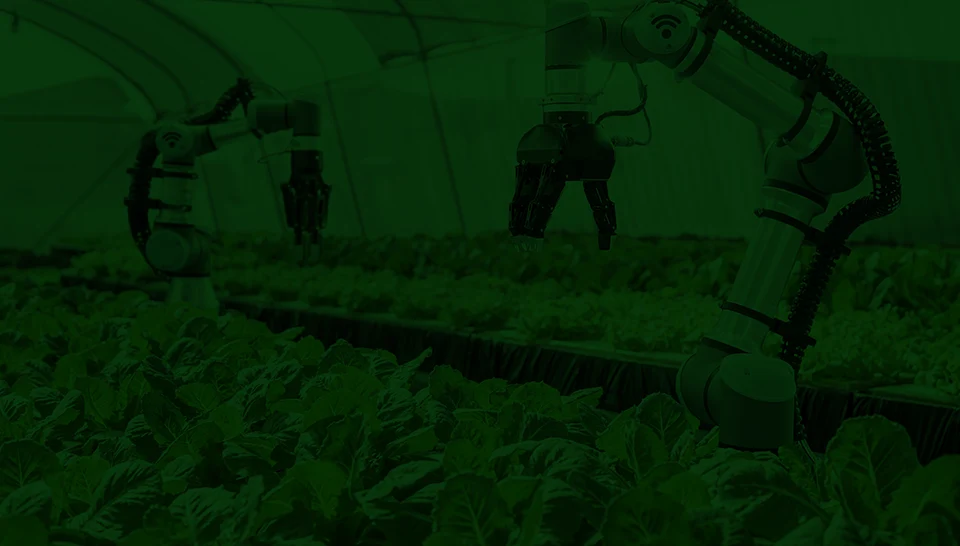
The agri-food sector transforms agricultural raw materials into food products through operations such as cooking, pasteurization, fermentation, and packaging. These food processing methods contribute to product safety, consistent quality, and longer shelf life. Innovations in automated food production lines, extraction techniques, and nanotechnology can improve processing efficiency and help manufacturers respond to consumer expectations for food quality and taste.
Quality, safety, and sustainability in the agri-food sector
Ensuring food quality and safety requires systematic controls throughout the food supply chain, from initial processing to distribution. Food contamination prevention, quality inspections, and compliance with food safety standards help protect consumers and maintain product reliability.
Sustainable food production also depends on reducing environmental impact, preventing food waste, and adopting responsible manufacturing practices. These approaches help businesses use resources more efficiently while responding to growing expectations for ethical production.
Practical approaches to eco-efficient production
Eco-production addresses environmental challenges by reducing industrial emissions, improving raw material efficiency, and integrating clean technologies into manufacturing processes. These measures support resource conservation and help limit the environmental footprint of production activities.

Bioagriculture
Organic farming practices avoid synthetic pesticides and fertilizers, emphasizing alternative methods of soil management and crop protection to support sustainable food production.
Green industry
Green industrial practices seek to reduce ecological impact through cleaner technologies and more efficient use of materials and energy.
Circular economy
Circular production approaches prioritize material reuse, waste recycling, and resource recovery to reduce unnecessary consumption of raw materials.
The integration of industrial robots and automated systems can improve manufacturing productivity, limit operational errors, and reduce production costs.
Modern livestock farming practices aim to balance animal welfare with productive efficiency through improved animal nutrition, herd health management, and suitable livestock housing conditions.